

Facilities as a Competitive Factor in School Choice
Public school districts across Texas are operating in a fundamentally different enrollment environment than they were a few years ago.
In 2020, statewide enrollment dropped by 2.2%. While the two years following the pandemic saw modest recovery, growth has since slowed dramatically. Annual enrollment growth for 2023–2024 and 2024–2025 was just 0.2%, the smallest increase in recorded history.
Looking ahead, declining birth rates and the expansion of school choice options, including anticipated state-funded voucher programs, are expected to continue placing downward pressure on public school enrollment.
These realities are reshaping how districts must think about facilities.
School buildings are not just infrastructure; they are a strategic driver of enrollment stability and community trust.
A Shift in the Purpose of Bond Programs
Historically, school bond programs were driven by growth. Districts built new schools, expanded campuses, and addressed maintenance needs to accommodate rising enrollment.
Today, the conversation is shifting toward revitalization, right sizing, and strategic consolidation. Districts are now being asked to do something far more complex than simply building new facilities. They must thoughtfully align campuses with enrollment realities while continuing to provide high-quality learning environments.
This shift also requires districts to communicate differently with their communities. Stakeholders increasingly want to understand why facility investments remain essential, even when enrollment is stable or declining. Successfully articulating this value is becoming just as important as delivering the projects themselves.
Facilities Matter More Than Ever
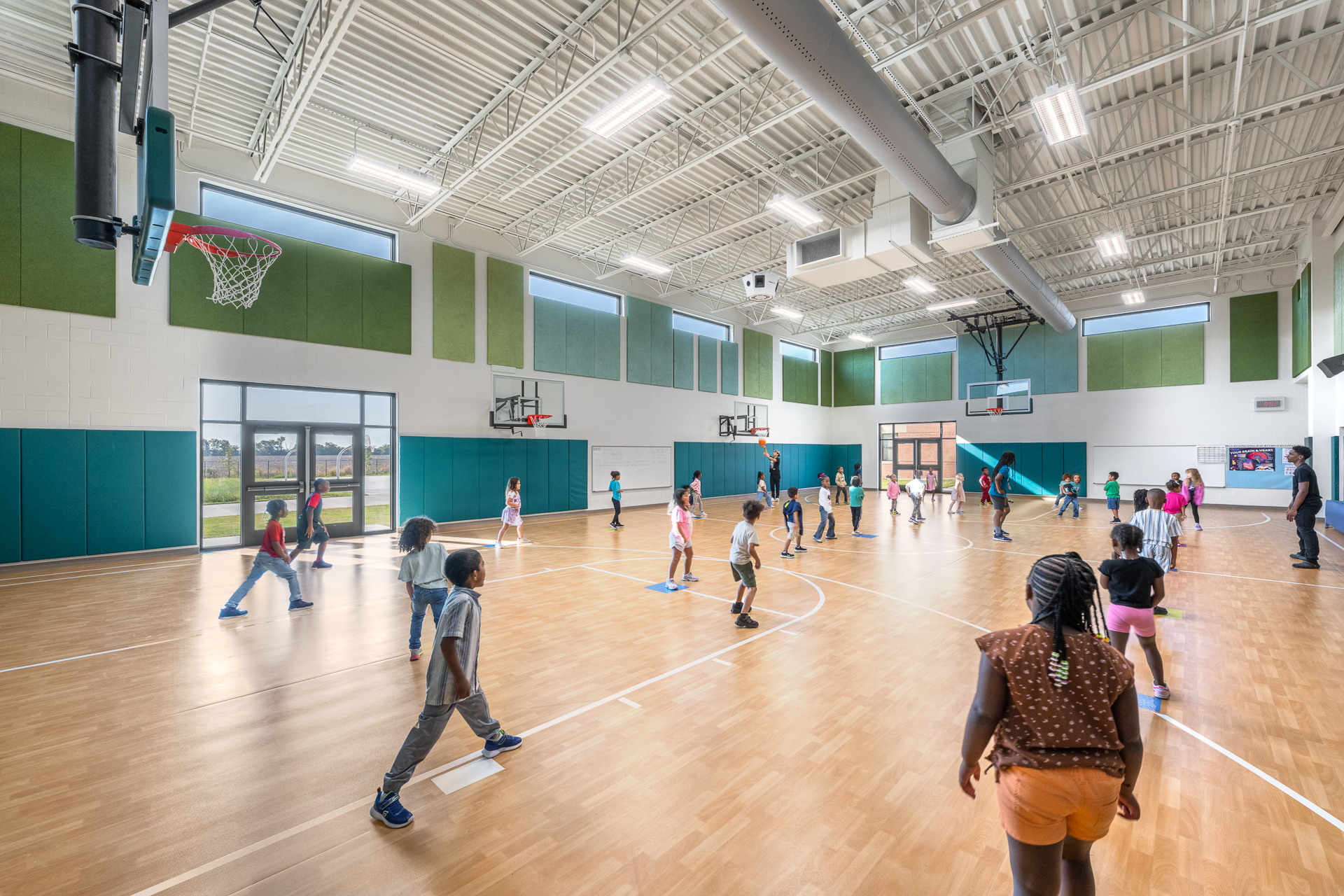
In an era of expanded school choice, facilities often serve as the most visible and immediate indicator of school quality. Long before families analyze academic data or program offerings, they experience the physical learning environment. The condition of a campus, the sense of safety, and the functionality of learning spaces shape first impressions and influence enrollment decisions.
Facilities also shape perception and trust. Updated and relevant learning environments signal to families, staff, and community members that a district is committed to a quality education for its students. School buildings are among the most visible representations of public investment and community priorities.
Quality Facilities for All
Districts must also ensure equity remains central to facility planning. Aging buildings, deferred maintenance, and inconsistent campus conditions can unintentionally communicate that some students have access to greater opportunities than others. In communities already experiencing demographic change, facility disparities can accelerate enrollment loss and erode public trust.
Continued facility investment is not about aesthetics or competition alone. It is about ensuring every student has access to safe, healthy, and inspiring learning environments that support both academic success and personal well-being.

Facilities as a Strategic Asset
In today’s educational landscape, facilities have become far more than operational necessities. They are strategic assets that support enrollment stability, reinforce community confidence, strengthen staff recruitment and retention, and align physical environments with evolving instructional priorities. Equally important is proactive, transparent communication with the community about why facility investments matter.
As school choice continues to expand, districts that view facilities as part of their competitive strategy and communicate that strategy effectively will be better positioned to sustain enrollment, strengthen community relationships, and deliver meaningful student outcomes.
~Authored by Dr. Susan Kincannon